







Conditions
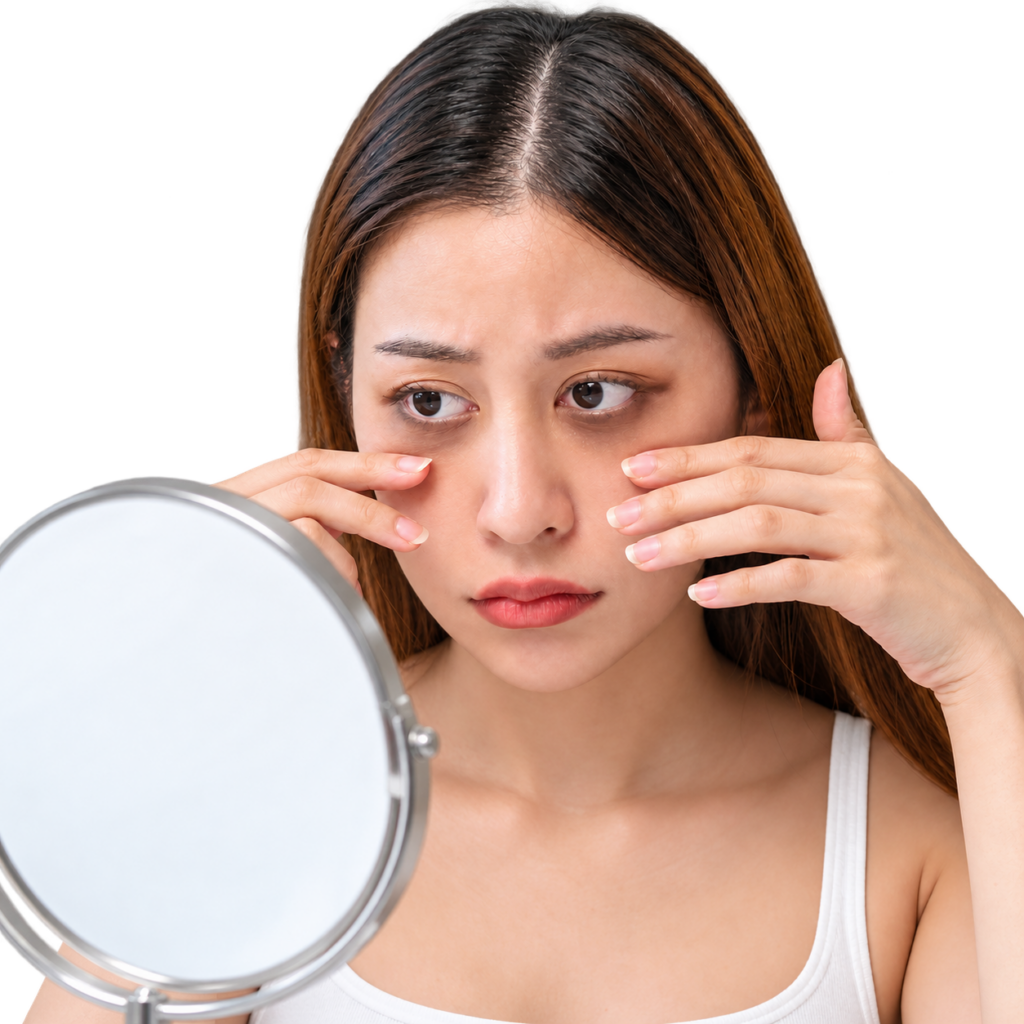
Dark eye circles refer to darkened or shadowed areas beneath the eyes. Their appearance may be influenced by pigmentation, visible blood vessels, changes in skin thickness, and the contours of the under-eye area. These factors can make the area appear darker even after adequate rest.
Dark circles can have several contributing causes. They generally fall into three types and are often described in terms of pigmentation, visible blood vessels and structural shadows. Most people have a combination:
Understanding the factors contributing to your dark circles can help guide a suitable treatment approach. Different causes may require different approaches, and some may not respond fully to aesthetic treatment.
Genetics can influence under-eye pigmentation, skin characteristics and facial contours. As a result, dark circles may be noticeable from a young age.
Sun exposure can contribute to increased pigmentation and may make existing brown under-eye discolouration more noticeable over time.
Frequent eye rubbing and inflammatory skin conditions, such as eczema, can contribute to post-inflammatory pigmentation. Allergies may also lead to rubbing and irritation around the eyes.
With age, changes in skin thickness, collagen and facial volume can make blood vessels more visible and create hollows or shadows beneath the eyes.
Poor sleep and fatigue may make dark circles appear more noticeable in some people, although they are not the only causes.
Dehydration and certain lifestyle factors may affect the overall appearance of the skin. However, dark circles are not necessarily caused by dehydration or lifestyle habits alone.
Dark circles are usually influenced by pigmentation, skin characteristics or facial structure, but changes in appearance can occasionally occur alongside an underlying medical condition. If the discolouration develops suddenly or is accompanied by other symptoms, consult your doctor.
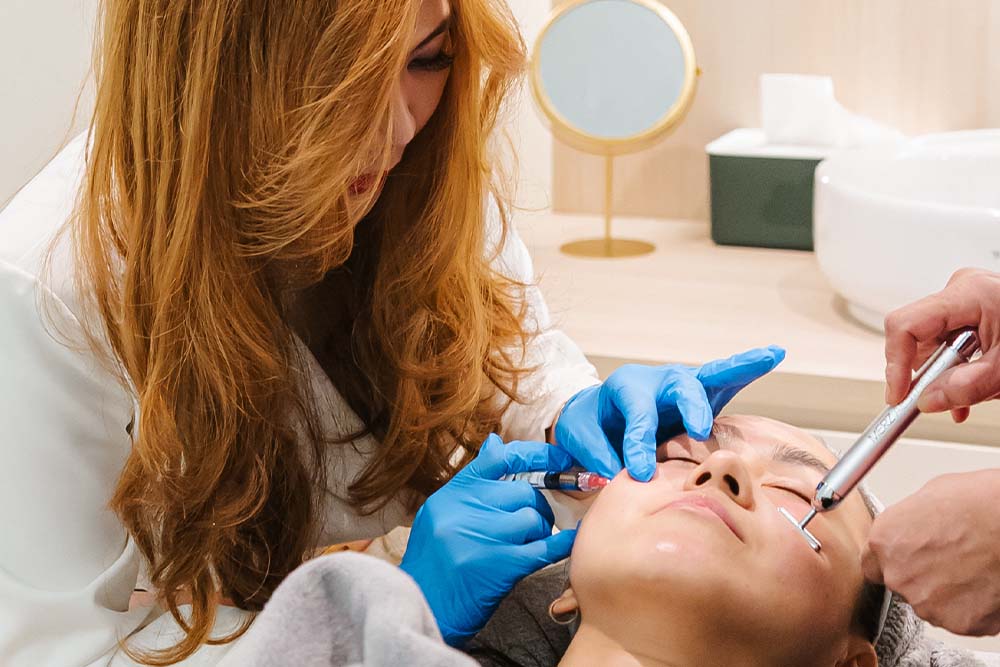
Because dark circles can have several contributing factors, an assessment at Alpha Asia Aesthetics begins with a consultation with Dr Jeanel Goh. The assessment may include the appearance of the under-eye skin, pigmentation, visible blood vessels and facial contours, as well as relevant medical history and possible contributing factors.
Following the assessment, Dr Jeanel can discuss the factors that may be contributing to your dark circles and explain the treatment options, their limitations and any relevant risks.
Your treatment plan may include one or a combination of the following:
May be suited for: pigmented dark circles
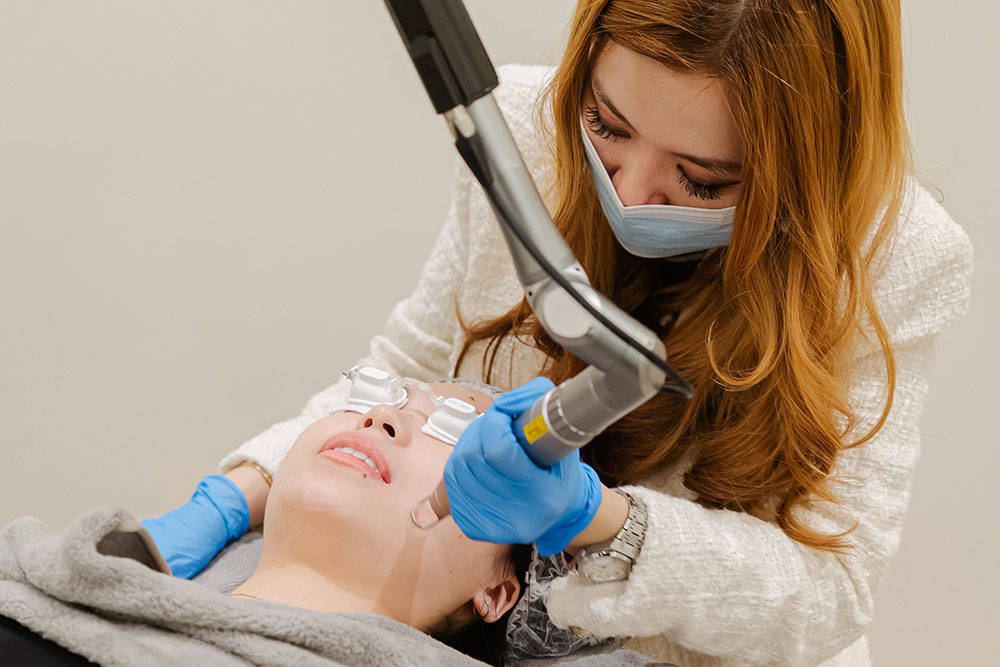
Our Hybrid 5-in-1 Laser combines multiple laser technologies in one treatment platform, allowing treatment settings to be tailored to different skin concerns. For dark eye circles, it may be considered when pigmentation is a contributing factor.
The laser energy targets pigmentation within the skin, with treatment parameters adjusted according to the area being treated and your skin characteristics. A course of treatments may be recommended depending on the degree of pigmentation and your individual response.
May be suited for: thin, crepey or tired-looking under-eye skin
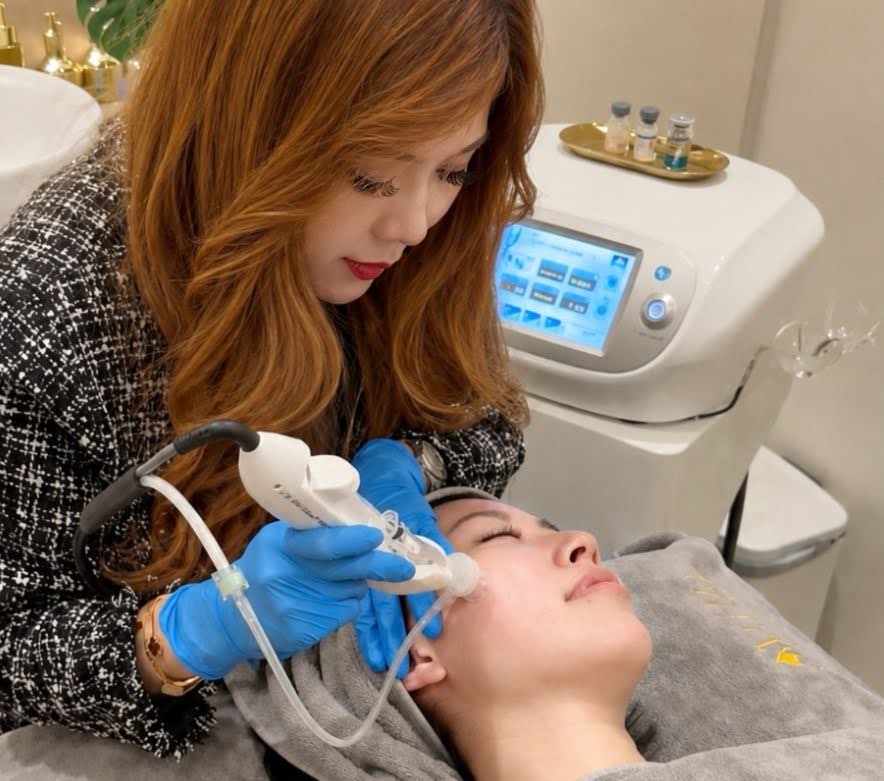
This PDRN skin booster is an injectable treatment designed to support skin quality and repair. It may be considered when the under-eye skin appears thin, crepey or lacking in overall skin quality.
By addressing the condition of the skin itself, the treatment may help improve the appearance of the under-eye area over time. A course of treatments may be recommended depending on your skin condition and treatment goals.
May be suited for: under-eye wrinkles and skin laxity
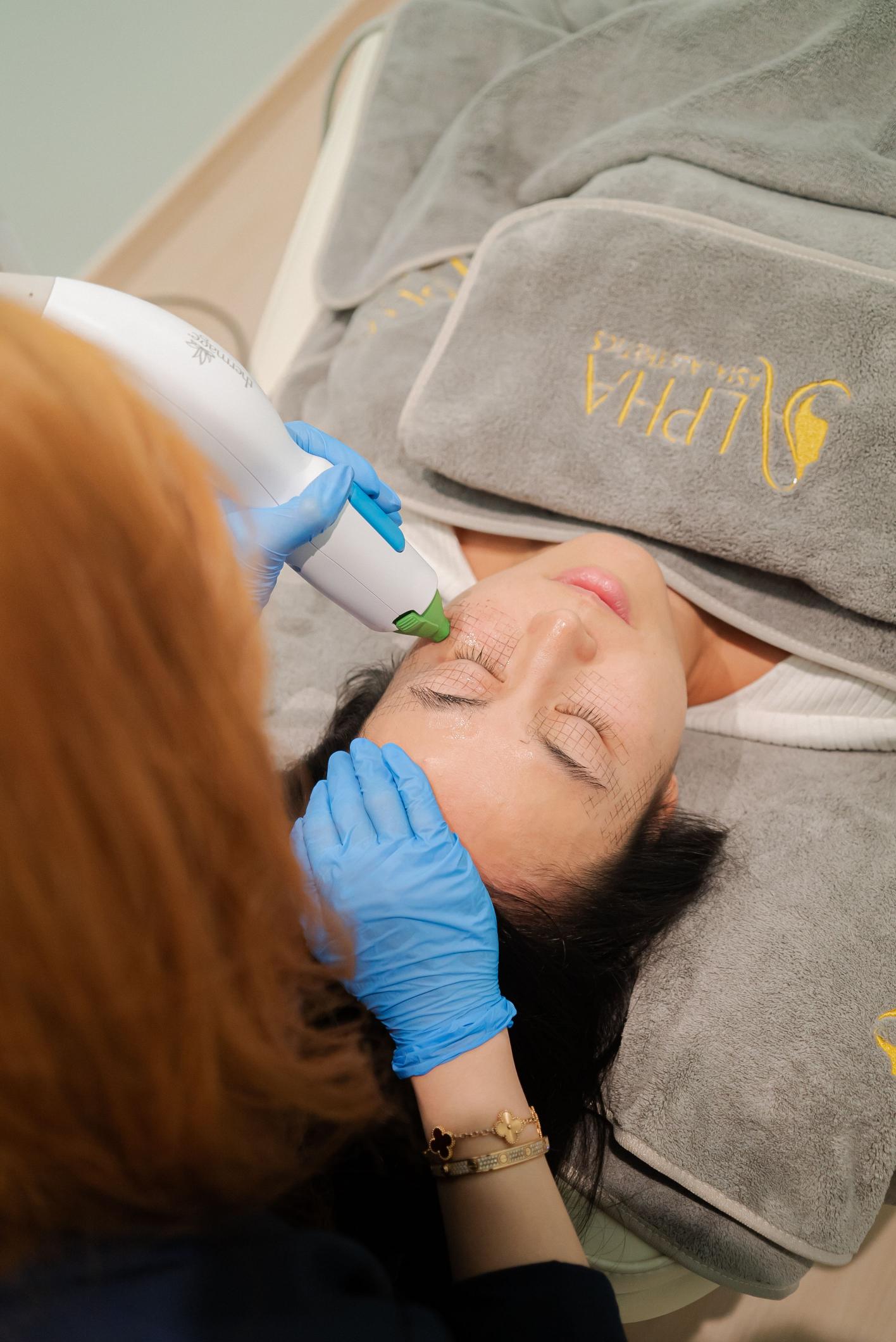
This non-invasive radiofrequency treatment uses controlled RF energy to treat the delicate skin around the eyes. It is designed specifically for the periorbital area, including the upper and lower eyelids, and may be considered for the appearance of wrinkles and skin laxity around the eyes.
The treatment incorporates cooling technology to help protect the skin surface during energy delivery.
It may be particularly suitable when the main concern is fine lines, wrinkles or mild laxity rather than pigmentation.
May be suited for: selected under-eye skin-quality concerns and hollowness
An injectable collagen gel may be considered when changes in the under-eye area are related to reduced skin quality or certain types of volume loss.
The treatment introduces collagen directly into the treated area and may help improve the appearance of the skin and underlying contour. Suitability depends on the individual’s anatomy, skin condition and the cause of the under-eye concern.
Because under-eye anatomy is delicate, this treatment requires careful assessment and precise treatment planning by a doctor.

Consistent sun protection helps protect the delicate under-eye skin from long-term UV exposure.

Frequent rubbing can irritate the delicate skin around the eyes and may contribute to inflammation.

Adequate nutrition supports overall skin health and helps maintain healthy skin function.

Consistent sun protection helps protect the delicate under-eye skin from long-term UV exposure.

Frequent rubbing can irritate the delicate skin around the eyes and may contribute to inflammation.
Treatments may help reduce the appearance of certain types of dark circles, but the degree of improvement varies depending on the underlying cause and individual response. Genetics and age-related changes may continue over time, and some people may continue to notice dark circles even after treatment.
During your consultation, Dr Jeanel can assess the appearance of your under-eye area and discuss possible contributing factors. As pigmentation, visible blood vessels and structural shadows can overlap, the appropriate approach depends on your individual assessment.
Recovery varies depending on the treatment. Some procedures may cause temporary redness, swelling, tenderness or bruising, while others may involve different recovery considerations. Your doctor should explain the expected downtime and potential risks of the specific treatment before you proceed.
The number of sessions, if any, depends on the underlying cause, the treatment selected and your individual response. Your doctor can discuss the proposed treatment schedule, expected benefits and limitations during your consultation.
Disclaimer: The information on this page is for general informational purposes only and does not constitute medical advice or diagnosis. Results may vary. Please consult our doctor to assess your individual condition and suitability before undergoing any treatment.